Index
- Introduction
- Why Every Place Needs a Different Security Plan
- Security Solutions for Schools
- Security Solutions for Hospitals
- Security Solutions for Retail Stores
- Security Solutions for Factories
- Core Equipment Every Business Needs
- How to Choose the Right Security Partner
- Simple Installation Tips That Save Money
- Common Mistakes to Avoid
- Why Buyers Trust Padamshree Infotech
- Frequently Asked Questions (FAQs)
- Conclusion
1. Introduction
Quick answer: The best security solution is one that fits your place. Schools need child safety and gate control. Hospitals need 24-hour coverage and privacy. Retail stores need theft control. Factories need strong cameras that work in dust, heat and low light.
Security is no longer a luxury. Every school, hospital, shop and factory holds something valuable. It could be children, patients, goods or machines. A good camera system protects all of these.
Many buyers in Delhi go to Nehru Place for their security needs. It is one of the biggest electronics markets in the city. But a big market also means many choices, and choosing wrongly can waste money. If you are searching for the best cctv in nehru place, this guide will help you understand what to buy and what to ask before you pay.
2. Why Every Place Needs a Different Security Plan
Many people think one camera type works everywhere. This is not true. A camera that is perfect for a small shop may fail in a dusty factory. A system made for a hospital corridor may not suit a school playground.
Before buying anything, ask these four questions:
- What am I trying to protect? People, goods, machines or data?
- Which areas are most at risk?
- How long should I keep the recordings?
- Who will watch the footage, and from where?
When you know the answers, choosing equipment becomes simple. You also avoid paying for features you do not need.
3. Security Solutions for Schools
A school has one big responsibility: the safety of children. Parents trust the school to keep their kids safe every minute. Cameras help the school keep that promise.
Where to place cameras in a school
- Main gate and side gates: Record every person who enters or leaves.
- Reception area: Keep a record of all visitors.
- Corridors and staircases: These are busy places where pushing and fights can happen.
- Playground and sports area: Children play freely here, so watching is important.
- Parking area: Protects buses, vans and staff vehicles.
- Canteen: Helps in hygiene and behaviour checks.
- Server and exam rooms: Protects records and exam papers.
What a school should look for
Choose clear cameras with good night vision. Schools often have long hours, with early morning and late evening activity. Wide-angle cameras help cover large halls and grounds with fewer devices.
Cameras are usually not placed inside classrooms in many schools, because of privacy concerns. Most schools keep them in common areas only. If your school plans to watch classrooms, talk to teachers and parents first.
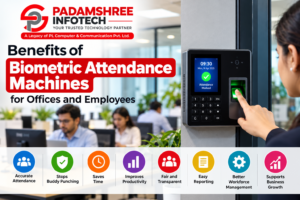
Add a few extras to make the system stronger. A video door phone at the staff entrance lets the guard confirm who is at the door. Biometric attendance for staff also helps the school keep a clear record. You can read more in this guide on the benefits of biometric attendance machines.
4. Security Solutions for Hospitals
A hospital never closes. Patients, doctors, visitors and staff move around at all hours. This makes security harder, but also more important.
Where to place cameras in a hospital
- Emergency entrance: This area gets heavy traffic and sometimes heated situations.
- Reception and waiting halls: Helps manage crowds and check suspicious behaviour.
- Pharmacy and medicine store: Medicines are valuable and must be protected.
- Corridors and lifts: Staff and patients move here all day and night.
- Parking and ambulance bay: Keeps vehicles and visitors safe.
- Server room and records room: Patient data must stay protected.
- Newborn and child wards: These need extra care and controlled access.
Privacy comes first
Hospitals must be careful about privacy. Never place cameras inside patient rooms, washrooms or changing areas. Keep cameras in public and staff areas only. Limit who can see the live feed and the recordings. Use passwords and keep a record of who views footage.
What a hospital should look for
Hospitals need systems that run all day without a break. Choose a recorder built for non-stop use and a hard drive made for surveillance. A power backup is also very important, because a power cut should never stop recording. Network cameras with PoE are a good choice, since one cable carries both video and power, and the setup looks clean.
5. Security Solutions for Retail Stores
Shops face a different kind of risk. The main problems are shoplifting, cash theft, staff fraud and after-hours break-ins. A good camera system also helps in settling arguments with customers.
Where to place cameras in a retail store
- Entrance and exit: Capture every face coming in and going out.
- Billing counter: Watch cash handling and billing.
- Aisles and shelves: Cover high-value items like electronics, jewellery and cosmetics.
- Stock room: Staff theft often happens here.
- Back door and loading area: A weak point for break-ins.
- Parking space: Helpful for larger stores and showrooms.
What a retail store should look for
Pick cameras with clear image quality so faces and billing details can be seen. Good night vision helps because break-ins often happen after closing. Mobile viewing is also very useful. Owners can check the shop from home, a car or another city.
For small shops, Wi-Fi and 4G cameras are an easy start. They need less wiring and can be set up quickly. For bigger stores, a wired system is more stable and gives better recording. Browse the available Wi-Fi and 4G cameras to compare options for your shop size.
6. Security Solutions for Factories
Factories are tough places. There is dust, heat, oil, moisture and vibration. Cameras here must be strong, or they will fail soon.
Where to place cameras in a factory
- Main gate and weighbridge: Track every vehicle, driver and load.
- Loading and unloading bays: Prevent theft and count goods correctly.
- Production floor: Watch workflow, safety rules and machine areas.
- Warehouse and raw material store: Valuable stock needs strong coverage.
- Boundary wall: Helps detect people entering without permission.
- Fire-risk areas: Cameras can help staff notice problems early.
- Office and cash room: Protects documents and money.
What a factory should look for
Pick cameras with strong weather and dust protection. Metal bodies last longer than thin plastic ones. Long-range night vision helps in large yards and open spaces. For wide areas, a few high-quality cameras often work better than many cheap ones.
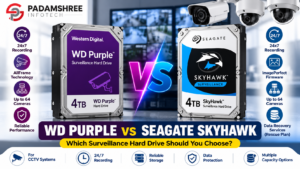
Factories also need more storage, since they record many cameras for many days. Plan your hard drive size before you buy. A good surveillance hard drive is built for non-stop writing and lasts longer than a normal computer drive. If you are unsure which one to buy, this comparison of WD Purple and Seagate SkyHawk can help.
7. Core Equipment Every Business Needs
No matter the place, most systems use the same basic parts.
Cameras. These capture the video. The two main types are HD analog cameras and IP cameras. IP cameras give sharper pictures and more smart features. Analog cameras cost less and are good for simple needs.
Recorder. A DVR works with analog cameras. An NVR works with IP cameras. This is the brain of your system. Look at the range of DVR and NVR recorders to find the right channel count.
Hard drive. This stores your footage. More cameras and better quality need more space.
Power supply. A steady power supply keeps cameras running. A PoE switch sends power and data through one network cable. See the SMPS and PoE switches for options.
Cables and accessories. Poor cables cause blurry pictures and sudden drops. Good connectors, boxes and mounts are worth the small extra cost.
Brand choice. Well-known brands offer better support and spare parts. You can explore Hikvision and CP Plus ranges for trusted options.
8. How to Choose the Right Security Partner
The shop you buy from matters as much as the camera you buy. A weak seller can leave you with fake products, no warranty and no help when something stops working.
Look for these signs of a good partner:
- Genuine products with warranty. Always ask for a proper bill.
- Clear advice. A good seller asks about your place before suggesting products.
- Honest pricing. Be careful if a price looks far lower than everywhere else.
- Wide range. Cameras, recorders, hard drives and accessories should all be available.
- After-sales help. You should be able to reach them when you have a problem.
- Bulk and project support. Schools, hospitals and factories often need many cameras at once.
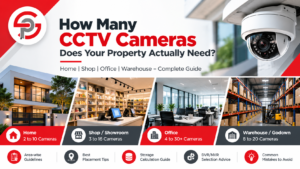
A trusted cctv dealer in delhi will explain your options in simple words. They will also help you plan the number of cameras, the storage you need and the right power setup. You can learn more about how many cameras you need in this guide on how many CCTV cameras your property needs.
9. Simple Installation Tips That Save Money
Even the best camera gives poor results if it is placed wrongly. Keep these tips in mind:
- Mount cameras at the right height. About 8 to 10 feet works well for most areas. Too high makes faces hard to see.
- Avoid direct light. Do not point a camera straight at the sun or a bright bulb.
- Cover blind spots. Walk the whole site and check what each camera can see.
- Protect the wiring. Use proper pipes and keep cables safe from rain, rats and tampering.
- Hide the recorder. Keep it in a locked and ventilated place.
- Use signs. Visible camera boards stop many problems before they start.
- Test at night. Check night vision quality before the installer leaves.
- Set up phone access. Make sure the owner can view footage safely from a mobile.
10. Common Mistakes to Avoid
Buying only on price. The cheapest set often fails first. Spend wisely on the parts that matter most.
Too few cameras. Leaving blind spots defeats the purpose.
Ignoring storage. Many people find out too late that the hard drive is full and old footage is gone.
Skipping power backup. A power cut can stop recording at the worst time. A small backup unit helps a lot.
Using weak passwords. Default passwords make your system easy to break into. Always change them.
No regular checks. Clean lenses and test recordings every month.
Forgetting future growth. Choose a recorder with a few spare channels so you can add cameras later.
11. Why Buyers Trust Padamshree Infotech
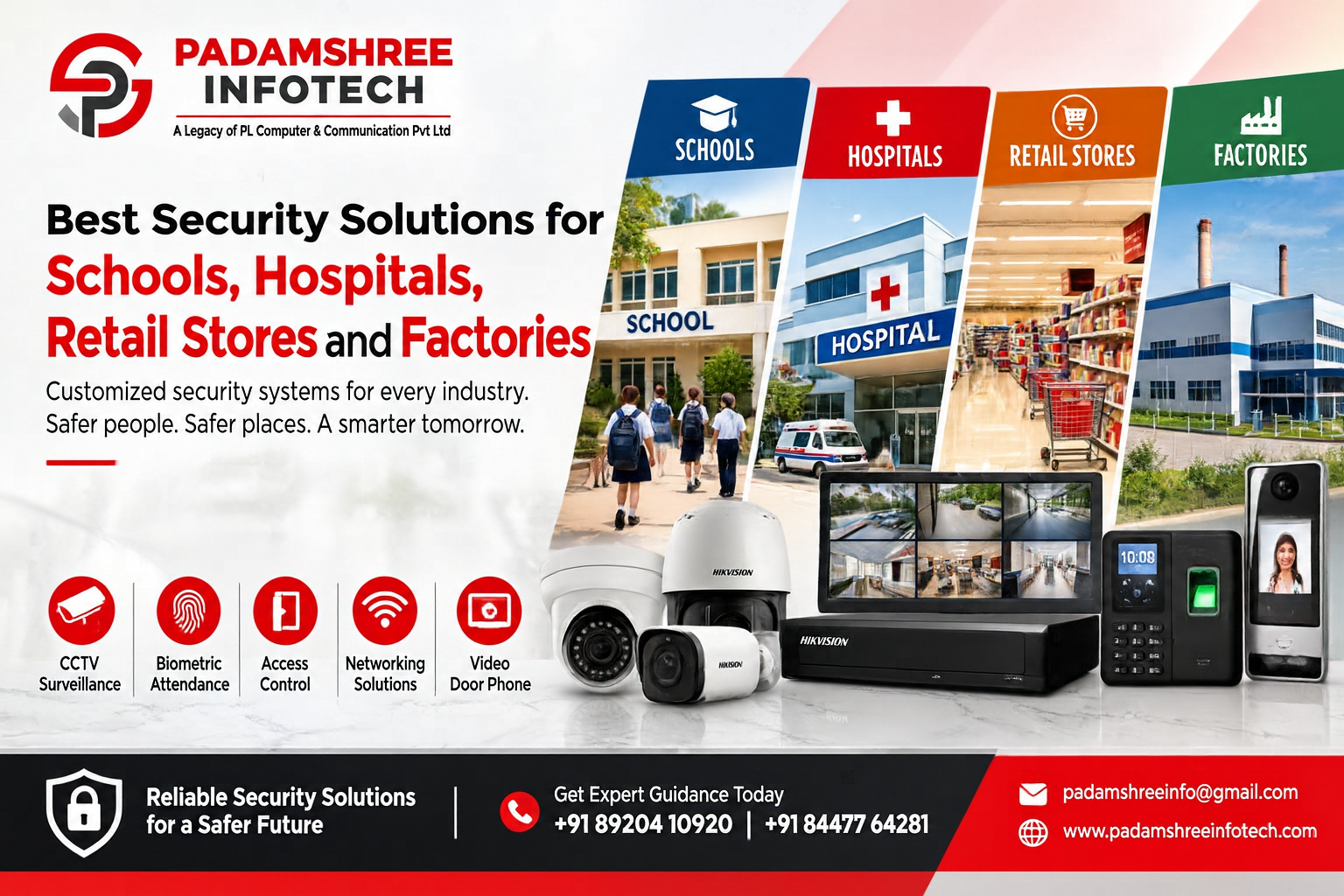
Padamshree Infotech supplies surveillance and IT products to homes, shops, schools and businesses. The range includes Hikvision, CP Plus, Dahua, Trueview and Prama, so buyers can compare brands in one place. You will also find recorders, hard drives, power supplies, video door phones and biometric machines.
The ordering process is simple. You choose your products, share your needs, get a price and confirmation, and then receive fast delivery. You can follow the full order process before placing a request. Products come with warranty support, and the team shares product details and quotations on call, WhatsApp or email.
If you want to buy cctv in nehru place with clear guidance, you can browse the full shop first. Then send your requirement to the team. For big projects, ask for a bulk quotation. Many buyers also look for a dependable cctv supplier in delhi who can deliver across the city and beyond, and you can reach the team through the contact page for any help. If you only need cameras, you can start with the CCTV camera dealer in Delhi range.
12. Frequently Asked Questions (FAQs)
Q1. Which CCTV is best for a school?
Choose HD or IP cameras with good night vision and wide-angle views. Cover gates, corridors, playgrounds and parking. Keep cameras in common areas only.
Q2. Can hospitals use CCTV inside patient rooms?
No, this is not recommended. Patient rooms, washrooms and changing areas are private. Use cameras in corridors, entrances, pharmacies and waiting areas.
Q3. How many cameras does a small retail shop need?
A small shop usually needs 3 to 6 cameras. Cover the entrance, billing counter, main aisles and stock area. Larger stores need more.
Q4. What kind of camera is best for a factory?
Pick rugged cameras with dust and water protection and strong night vision. Metal bodies last longer in hot and dirty places.
Q5. What is the difference between DVR and NVR?
A DVR records from analog cameras. An NVR records from IP cameras over a network. IP systems usually give clearer video and more features.
Q6. How much storage do I need?
It depends on camera count, video quality and how many days you want to keep footage. More cameras and higher quality need more space. Ask your seller to calculate it before buying.
Q7. Can I watch my cameras on my phone?
Yes. Most modern recorders and Wi-Fi cameras support mobile viewing. Use a strong password to keep it safe.
Q8. Do I need a power backup for CCTV?
Yes, it is strongly advised, especially for hospitals and factories. It keeps recording during power cuts.
Q9. How often should CCTV be checked?
Check recordings and clean lenses at least once a month. Test night vision and storage regularly.
Q10. How do I find a reliable CCTV seller in Nehru Place?
Look for genuine products, a proper bill, warranty support and clear advice. Ask questions and compare prices and services, not just the lowest price.
13. Conclusion
Every place has its own security needs. Schools need child safety and gate control. Hospitals need round-the-clock coverage with strong privacy. Retail stores need protection against theft and fraud. Factories need tough cameras and plenty of storage.
The right system starts with a clear plan. Know your risks, mark your camera points, and choose equipment that suits your place. Pair it with a seller who gives honest advice, genuine products and real support.
When you are ready, share your site details and requirements with the Padamshree Infotech team and ask for a quotation. A well-planned system protects people, goods and peace of mind for many years.